
Modern home decor transcends mere aesthetics; it’s a reflection of evolving lifestyles and a commitment to functional beauty. This exploration delves into the current landscape of modern interior design, examining key principles, emerging trends, and practical applications for creating stylish and comfortable living spaces. We’ll navigate the spectrum from minimalist chic to cozy warmth, showcasing how to incorporate sustainable materials, smart technology, and carefully chosen accent pieces to craft a home that truly reflects your personality.
From understanding the core tenets of modern design and its distinctions from related styles like minimalist and contemporary, to exploring the practical aspects of incorporating multifunctional furniture and space-saving solutions, this guide provides a comprehensive overview. We will also delve into specific design areas, such as balcony decoration and the creation of cozy and elegant modern interiors, offering practical tips and inspiring examples along the way.
Defining Modern Home Decor
Modern home decor, at its core, emphasizes clean lines, functionality, and a sense of simplicity. It prioritizes practicality without sacrificing aesthetics, creating spaces that are both stylish and comfortable for everyday living. The style often incorporates natural materials and a neutral color palette, allowing for pops of color and personality through carefully selected accessories and artwork. This approach stands in contrast to more ornate or historically-inspired styles, focusing instead on a streamlined and uncluttered aesthetic.Modern decor’s emphasis on functionality and clean lines distinguishes it from other styles.
While often used interchangeably with “contemporary,” there’s a subtle but important difference. Contemporary design reflects the current trends of the time, encompassing a broader range of styles, while modern decor specifically refers to the design principles that emerged in the early to mid-20th century and continue to influence design today. Minimalism, on the other hand, takes the principles of modern design further, stripping away even more ornamentation and focusing on essential elements only.
Minimalist spaces are often characterized by a stark, almost austere aesthetic, whereas modern decor allows for a greater degree of personality and warmth.
Iconic Modern Furniture Pieces and Their Design Features
The rise of modernism saw the creation of several iconic furniture pieces that continue to inspire designers today. These pieces are characterized by their innovative use of materials, streamlined forms, and emphasis on functionality. They represent a departure from the heavily ornamented and highly decorative furniture of previous eras.
- The Barcelona Chair, designed by Ludwig Mies van der Rohe and Lilly Reich: This iconic chair, with its sleek, chrome-plated steel frame and luxurious leather cushions, exemplifies the modern emphasis on clean lines and geometric forms. Its elegant simplicity and sophisticated design have made it a timeless classic.
- The Eames Lounge Chair and Ottoman, designed by Charles and Ray Eames: This comfortable and stylish chair, crafted from molded plywood and leather, showcases the Eames’ innovative use of materials and their commitment to ergonomic design. Its curved form and warm materials create a sense of comfort and sophistication.
- The Wassily Chair, designed by Marcel Breuer: This chair, made from tubular steel and canvas, is a prime example of the Bauhaus movement’s influence on modern design. Its simple yet elegant form, along with its innovative use of industrial materials, made it a revolutionary piece of furniture.
Current Trends in Modern Home Decor
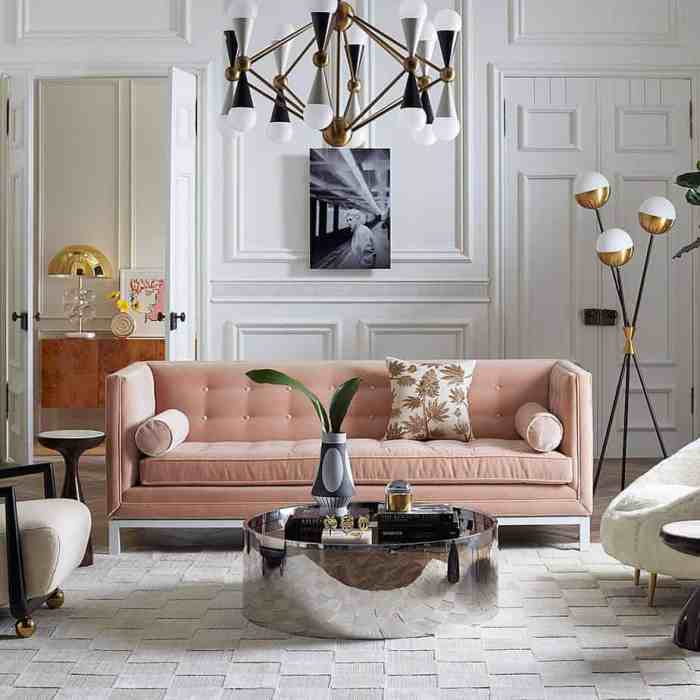
Modern home decor is constantly evolving, reflecting shifts in lifestyle, technology, and environmental awareness. This dynamic landscape necessitates a continuous exploration of emerging trends to create spaces that are both aesthetically pleasing and functionally relevant. The following sections will delve into key aspects shaping the future of modern home design.
Emerging Trends in Modern Home Decor for the Next Year
Three significant trends poised to dominate modern home decor in the coming year are the continued rise of biophilic design, the embrace of maximalist aesthetics, and the incorporation of artisanal elements. Biophilic design, focusing on connecting indoor spaces with the natural world through plants, natural light, and natural materials, will continue its upward trajectory as people seek to create calming and restorative homes.
Maximalism, a reaction against minimalist trends, is characterized by rich textures, vibrant colors, and eclectic layering of patterns and objects, fostering a sense of personality and warmth. Finally, the integration of handcrafted and artisanal pieces, from furniture to textiles, adds a unique, personal touch, emphasizing quality and craftsmanship over mass production. These trends reflect a desire for spaces that are both stylish and emotionally resonant.
Sustainable Materials in Modern Home Design
The use of sustainable materials is no longer a niche trend but a crucial aspect of responsible modern home design. Consumers are increasingly demanding eco-conscious choices, driving the adoption of materials like reclaimed wood, bamboo, recycled glass, and sustainably harvested timber. These materials offer not only environmental benefits but also contribute to unique and visually appealing aesthetics. For example, reclaimed wood flooring brings character and history to a space, while bamboo offers a lightweight yet durable alternative to traditional hardwoods.
Furthermore, the increasing availability of recycled materials, such as glass countertops and recycled metal accents, provides stylish and environmentally friendly options. The emphasis is shifting towards circular economy principles, promoting the reuse and repurposing of materials to minimize environmental impact.
Technology Integration in Modern Home Decor
Technology is seamlessly integrating into modern home decor, enhancing both functionality and aesthetics. Smart home devices, such as voice-activated lighting and climate control systems, are becoming increasingly sophisticated and user-friendly. These technologies not only offer convenience but also contribute to energy efficiency and a more personalized living experience. Furthermore, the use of interactive screens and digital art installations adds a dynamic and engaging element to the home environment.
The integration of technology is not just about gadgets; it’s about creating a connected and responsive living space that caters to individual needs and preferences. For instance, a smart lighting system can adjust the ambiance based on the time of day or user activity, while a smart thermostat can optimize energy consumption based on occupancy and weather conditions.
Mood Board: Current Modern Home Decor Trends
Imagine a mood board featuring a calming yet vibrant color palette. Earthy tones like terracotta and sage green are balanced by accents of deep blues and warm yellows. Materials showcased include sustainably sourced oak wood for flooring and furniture, contrasted with smooth, polished concrete surfaces. Textured linen curtains and throws in natural fibers add warmth and visual interest.
A large, statement piece of artwork featuring abstract organic forms complements the overall aesthetic. Subtle metallic accents in brass or copper add a touch of sophistication, while a few carefully selected handcrafted ceramic pieces bring a sense of artistry and personality to the space. The overall effect is one of sophisticated simplicity, blending natural elements with modern technology and artisanal touches to create a space that is both beautiful and sustainable.
Balcony Decor
Transforming a small balcony into a stylish and functional outdoor space is achievable with careful planning and the right design choices. Modern balcony decor emphasizes clean lines, minimalist aesthetics, and the strategic use of space to maximize comfort and visual appeal. This section will explore design plans, lighting solutions, and accent piece suggestions to achieve a contemporary look for your small balcony.
Small Balcony Design Plan
A small balcony design plan should prioritize functionality and visual appeal. Consider a space-saving folding chair or a small, sleek bistro set made of lightweight materials like aluminum or wicker. These are easy to store when not in use. For planting, vertical gardening is ideal. A wall-mounted planter box or a series of hanging planters can create a lush, green backdrop without consuming valuable floor space.
Opt for low-maintenance plants such as succulents, herbs, or trailing ivy. These require less attention and thrive in container gardens. The color palette should complement the overall aesthetic of your home, favoring neutral tones with pops of color from the plants and accent pieces. A simple, modern patterned rug can add warmth and define the space.
Creative Lighting Solutions for a Modern Balcony
Lighting plays a crucial role in setting the ambiance of a modern balcony. String lights create a warm and inviting atmosphere, especially in the evenings. Consider using warm-white LED bulbs for a soft glow. For a more sophisticated look, integrated LED strip lighting can be installed under the balcony railing or along the walls, providing subtle illumination. Solar-powered pathway lights are a practical and eco-friendly option for safety and added illumination.
A stylish, modern floor lamp, perhaps with a sculptural base, can add a touch of elegance while providing functional lighting. The key is to layer the lighting to create a multi-dimensional effect and adjust the brightness according to your needs.
Accent Pieces for a Modern Balcony
The selection of accent pieces significantly impacts the overall style and functionality of the balcony.
Below is a categorized list of suitable accent pieces:
| Material | Function | Example |
|---|---|---|
| Metal (Aluminum, Steel) | Seating | Sleek, minimalist chair or small table |
| Wicker/Rattan | Storage | Small woven basket for plants or blankets |
| Ceramic/Stone | Decoration | Modern planters or sculptural elements |
| Textiles (Outdoor fabrics) | Comfort & Style | Throw pillows or a small, weather-resistant rug |
| Glass | Lighting | Stylish glass lantern or hanging pendant light |
Accent Pieces in Modern Decor
Accent pieces are the unsung heroes of modern interior design. They add personality, visual interest, and depth to a space, transforming a minimalist aesthetic from stark to sophisticated. Careful selection and placement of these elements can elevate a room from ordinary to extraordinary, reflecting individual style and creating a cohesive, inviting atmosphere.
Accent pieces serve multiple purposes beyond mere decoration. They can define zones within an open-plan space, draw the eye to a focal point, or introduce a pop of color or texture to an otherwise neutral palette. Their strategic use allows for the expression of personal taste while maintaining the clean lines and functionality characteristic of modern design.
Categorization of Accent Pieces by Style and Purpose
Accent pieces can be broadly categorized by their style and the function they serve within a modern interior. This allows for a more deliberate and effective approach to decorating, ensuring that each piece contributes meaningfully to the overall design.
By Style: Modern accent pieces often embrace clean lines, geometric shapes, and natural materials. Examples include sculptural ceramic vases, minimalist metal sculptures, sleek marble clocks, and textured wool throws. In contrast, some modern spaces incorporate vintage or antique pieces for a touch of eclecticism, such as a mid-century modern armchair or a hand-woven rug. The key is to maintain a sense of balance and avoid clashing styles.
By Purpose: Accent pieces can serve various functions. Some, like area rugs, define spaces and add warmth. Others, such as statement lighting, provide both illumination and visual impact. Artwork, whether paintings, photographs, or prints, adds personality and creates focal points. Finally, decorative objects like bowls, trays, and books can add visual interest and texture to shelves or coffee tables.
Creating Focal Points with Accent Pieces
Focal points are crucial in modern design, drawing the eye and establishing a sense of visual hierarchy. Accent pieces are instrumental in creating these focal points. A large-scale artwork above a fireplace, a striking sculptural piece on a console table, or a uniquely designed lighting fixture can immediately command attention and become the centerpiece of a room. The key is to choose an accent piece that is both visually compelling and complements the overall style of the space.
Avoid overwhelming the space with too many competing focal points; one or two well-placed accents are often more effective than a multitude of smaller pieces.
Living Room Design Incorporating Accent Pieces
The following table illustrates how various accent pieces can be strategically placed in a modern living room to highlight different areas and create a cohesive design.
| Location | Accent Piece | Description |
|---|---|---|
| Near Fireplace | Large Abstract Painting | A bold, colorful painting in a geometric style, setting the tone for the room’s vibrant yet sophisticated atmosphere. |
| Above Sofa | Floating Shelves with Decorative Objects | Sleek, minimalist shelves holding a curated collection of ceramic vases, sculptural objects, and framed photographs. |
| Coffee Table | Low, Glass-Top Coffee Table with Metal Base | A modern coffee table with a clear glass top and a brushed steel base, providing a sense of openness and reflecting light. On top sits a sculptural bowl and a stack of art books. |
| Corner | Tall, Slim Floor Lamp | A modern floor lamp with a sleek, arched design, providing ambient lighting and adding a vertical element to the space. |
| Area Rug | Geometric patterned rug | A textured rug with a geometric pattern, defining the seating area and adding warmth and color to the floor. |
Cozy Modern Decor
Modern design, often associated with minimalism and clean lines, doesn’t have to feel cold or sterile. By strategically incorporating texture and warmth, you can create a cozy and inviting modern space that retains its sleek aesthetic. This involves a thoughtful approach to materials, color palettes, and styling choices.
Incorporating Texture and Warmth in Modern Decor
Achieving a cozy modern aesthetic is all about balancing the clean lines of modern design with the tactile appeal of warm textures. Think of it as layering comfort onto a minimalist base. This can be accomplished through the use of various materials and elements. Natural materials like wood, wool, and linen are excellent choices for introducing warmth.
A plush wool rug, for instance, can instantly soften a hard floor, while linen curtains add a touch of relaxed elegance. Consider incorporating textured throws and cushions in fabrics like velvet or faux fur for added comfort and visual interest. Woven baskets, wooden shelving units, and even a textured ceramic vase can contribute to the overall feeling of warmth and tactility.
The key is to use texture strategically, avoiding an overly cluttered look that might detract from the clean lines of the modern style.
Color Palettes for a Cozy Modern Interior
Color plays a crucial role in setting the mood of a room. While modern design often favors neutral palettes, incorporating warmer tones can create a cozy atmosphere. Consider using a base of neutral colors like warm whites, greys, or beige, then adding pops of color through accent pieces. Earthy tones like terracotta, olive green, and mustard yellow can add warmth and depth without sacrificing the clean aesthetic.
Muted blues and greens can also create a calming and inviting atmosphere. For a truly cozy feel, consider incorporating deeper, richer shades like burgundy or navy in smaller doses, perhaps through accent cushions or artwork. Remember to maintain balance; avoid overwhelming the space with too many vibrant colors.
Styling a Cozy Modern Bedroom: A Step-by-Step Guide
Creating a cozy modern bedroom involves a thoughtful layering of elements.
- Start with a Neutral Base: Choose a neutral paint color for the walls, such as a warm white or light grey, to create a calm and spacious feel. This serves as a blank canvas for layering textures and colors.
- Introduce Texture Through Bedding: Opt for high-quality bedding in natural materials like linen or cotton. Layer a plush duvet or comforter with a textured throw blanket for added warmth and visual interest. Consider incorporating a sheepskin rug at the foot of the bed for an extra touch of luxury.
- Incorporate Warm Lighting: Avoid harsh overhead lighting. Instead, opt for a combination of ambient, task, and accent lighting. Use bedside lamps with warm-toned bulbs to create a relaxing atmosphere. String lights or candles can add a touch of romantic ambiance.
- Add Personal Touches: Incorporate personal items that add warmth and character, such as family photos, artwork, or books. These elements personalize the space and create a sense of comfort and belonging.
- Choose the Right Furniture: Select furniture with clean lines and simple designs that complement the modern aesthetic. However, choose materials that contribute to the cozy atmosphere, such as a wooden bed frame or a velvet armchair.
Elegant Modern Decor
Elegant modern decor transcends mere aesthetics; it’s about creating a space that exudes sophistication and refined taste. This style balances minimalist principles with luxurious materials and thoughtful design choices, resulting in an atmosphere of understated opulence. The key is to curate a space that feels both calming and inspiring, reflecting a sense of personal style and high-quality craftsmanship.Luxury materials play a pivotal role in achieving an elegant modern aesthetic.
The strategic incorporation of these premium elements elevates the overall feel of the space, contributing to a sense of enduring quality and timeless design.
Luxury Materials in Elegant Modern Design
The use of high-end materials like marble, velvet, and polished metals instantly elevates the perceived value and sophistication of a modern space. Marble, with its cool elegance and inherent beauty, can be used in various applications, from flooring and countertops to accent walls and fireplace surrounds. Its veining adds visual interest and texture, contributing to a sense of luxurious calm.
Velvet, a fabric known for its soft texture and rich appearance, lends a touch of plush comfort to furniture such as sofas, armchairs, and ottomans. The subtle sheen and luxurious drape of velvet add depth and warmth, creating a welcoming and inviting atmosphere. These materials, used thoughtfully and in combination, create a space that feels both refined and effortlessly chic.
Sophistication Through Lighting and Furniture
Strategic lighting and carefully selected furniture are crucial in establishing an atmosphere of sophistication within a modern design scheme. Layered lighting, combining ambient, task, and accent lighting, is key to creating depth and visual interest. Ambient lighting, such as recessed lighting or a statement chandelier, provides overall illumination. Task lighting, such as desk lamps or floor lamps, provides focused light for specific activities.
Accent lighting, using strategically placed spotlights or table lamps, highlights artwork or architectural features. Furniture choices should reflect a commitment to quality and design. Clean lines, simple silhouettes, and high-quality materials are essential. Consider investing in statement pieces that serve as focal points, such as a sculptural sofa or a unique coffee table.
Metallic Accents in a Modern Living Room
Metallic accents can significantly enhance the elegance of a modern living room. The strategic placement of these elements adds a touch of glamour and visual interest without overwhelming the space.
The following list details suitable metallic accents and their ideal placement within a modern living room:
- Brass or Gold Accents: A brass or gold coffee table or side tables can serve as a stunning focal point, adding a touch of warmth and luxury. Similarly, brass lighting fixtures, such as a chandelier or pendant lights, can elevate the overall aesthetic.
- Silver or Chrome Accents: Sleek silver or chrome accents, such as decorative bowls, picture frames, or lamp bases, can add a touch of modern sophistication. These accents work particularly well when paired with white or neutral tones.
- Copper Accents: Copper accents, such as lamps, decorative trays, or artwork, can introduce a warm, earthy tone that complements other metallic finishes. A copper-toned coffee table can add a touch of rustic elegance.
- Mixed Metal Accents: Mixing different metallic finishes, such as brass and silver, can add visual interest and complexity. This approach works best when the metals complement each other in terms of tone and finish.
Functional Modern Decor
Modern home design prioritizes functionality alongside aesthetics. A truly modern space seamlessly integrates form and function, creating an environment that is both stylish and practical. This focus on functionality extends beyond simply choosing pieces that look good; it’s about optimizing space and flow to improve daily life.Multifunctional furniture is a cornerstone of modern, efficient living. By selecting pieces that serve multiple purposes, homeowners can maximize space and minimize clutter, achieving a clean, uncluttered aesthetic that is characteristic of modern design.
This approach is particularly valuable in smaller living spaces where every square foot counts.
Space-Saving Solutions for Small Modern Apartments
Effective space-saving strategies are crucial for maximizing comfort and functionality in smaller apartments. These solutions often involve clever storage solutions and furniture choices that adapt to different needs. For example, a sofa bed provides both seating and sleeping space, eliminating the need for a separate bed. Similarly, ottomans with built-in storage offer additional seating while concealing items like blankets or games.
Wall-mounted shelving units not only display decorative items but also provide practical storage, freeing up valuable floor space. Modular furniture, such as shelving systems that can be reconfigured to suit changing needs, is another excellent option for optimizing space in small apartments. A Murphy bed, a bed that folds away into a wall cabinet, is a classic space-saving solution for small apartments, transforming a bedroom into a living space during the day.
Using vertical space effectively with tall bookcases or strategically placed shelves is also highly beneficial.
Modern Kitchen Design Incorporating Functional Storage and Efficient Layouts
A well-designed modern kitchen prioritizes efficiency and functionality. This starts with a thoughtful layout that considers the workflow, ensuring that frequently used appliances and utensils are easily accessible. A galley kitchen, with its linear layout, can be surprisingly efficient, maximizing counter space and minimizing wasted movement. An island in a larger kitchen can serve as a central hub for food preparation, seating, and additional storage.
Smart storage solutions are essential. Pull-out drawers and pantries maximize the use of vertical space, making it easier to find and access items. Built-in appliances not only save space but also contribute to a clean, streamlined aesthetic. Corner cabinets with specialized pull-out shelves eliminate wasted space in awkward corners. Consider incorporating vertical shelving units or a narrow pantry to optimize storage without compromising on the overall kitchen design.
Open shelving, while stylish, requires careful curation to maintain a clutter-free appearance; this can be a great option for frequently used items, but not for everything.
Ultimately, modern home decor is about creating a space that is both visually appealing and functionally efficient. By understanding the core principles, embracing current trends, and incorporating personal touches, you can transform your living space into a haven of style and comfort. Whether you are drawn to minimalist simplicity, cozy textures, or elegant luxury, the possibilities are endless. This exploration has provided a foundation for navigating the exciting world of modern home design, empowering you to create a space that truly reflects your unique taste and lifestyle.
General Inquiries
What is the difference between modern and contemporary decor?
While often used interchangeably, modern decor typically refers to styles from the mid-20th century, emphasizing clean lines and functionality. Contemporary decor reflects current trends, incorporating a wider range of styles and materials.
How can I make my modern space feel warmer?
Incorporate natural textures like wood, wool, and cotton; use warm color palettes with earthy tones; and add layers with rugs, throws, and cushions.
What are some affordable ways to incorporate modern trends?
Focus on accent pieces like throw pillows, rugs, and artwork. Shop secondhand for unique furniture finds and repurpose existing items.
How do I choose the right lighting for a modern space?
Consider a mix of ambient, task, and accent lighting. Use sleek fixtures and incorporate natural light whenever possible.


